Packaging Insights to Cardboard Boxes for Fruit and Vegetables
Creating the Ideal Tailored Produce Boxes: A Methodical Approach
Developing custom produce boxes requires a deliberate strategy. Experts must evaluate sustainability, practicality, and visual appeal. Choosing the appropriate materials is crucial for maintaining quality and supporting environmentally conscious methods. Additionally, dimensions and configuration can greatly impact ease of use and shipping effectiveness. Compelling visual elements strengthen brand recognition, while thorough assessment ensures durability. Understanding these components will uncover key knowledge into producing remarkable container solutions that resonate to customers. What comes next is essential to achieving those targets.
Choosing the Right Materials for Custom Produce Boxes
When selecting materials for custom produce boxes, it is vital to assess both functionality and environmental responsibility. The choice of material greatly affects the box's durability, weight, and capacity to safeguard the contents. Common materials consist of corrugated cardboard, which provides strength and is recyclable, making it a preferred choice for eco-conscious businesses. Compostable options, such as molded pulp or plant-based plastics, also align with environmentally friendly practices while providing sufficient protection for delicate produce.
Furthermore, water repellency is crucial for maintaining freshness, prompting some manufacturers to explore treated materials or advanced protective layers. The aesthetic appeal of the box should not be overlooked, as packaging design and brand identity can influence customer outlook. Ultimately, the right material should strike a balance between protecting the produce, attracting consumers, and adhering to environmental standards, guaranteeing that practicality and eco-consciousness are emphasized in the design process.
How to Decide on Size and Shape for Effectiveness?
When deciding on the size and shape of custom produce boxes, careful assessment of produce dimensions is essential for proper storage. Additionally, attention to handling and transport can impact the box design, ensuring ease of movement. Maximizing shelf space usage further enhances functionality, enabling effective presentation and organization.
Examine Produce Dimensions Thoroughly
Picking the optimal proportions and form for fruit containers is required for operational success. Meticulous examination of item dimensions is paramount, as it ensures that products fit securely without excess room that might lead to harm during transport or warehousing. Custom-designed containers need to support various shapes, from fragile fruits to substantial vegetables, while upholding strength. Moreover, the vertical and horizontal measurements of the boxes should promote stacking and organization, utilizing space in warehouse zones. A well-engineered container not only protects the produce but also elevates attractiveness for consumers. In conclusion, deliberate consult article measurement analysis of dimensions supports reducing waste and improving consumer satisfaction in the supply chain.
Consider Handling and Transport Considerations
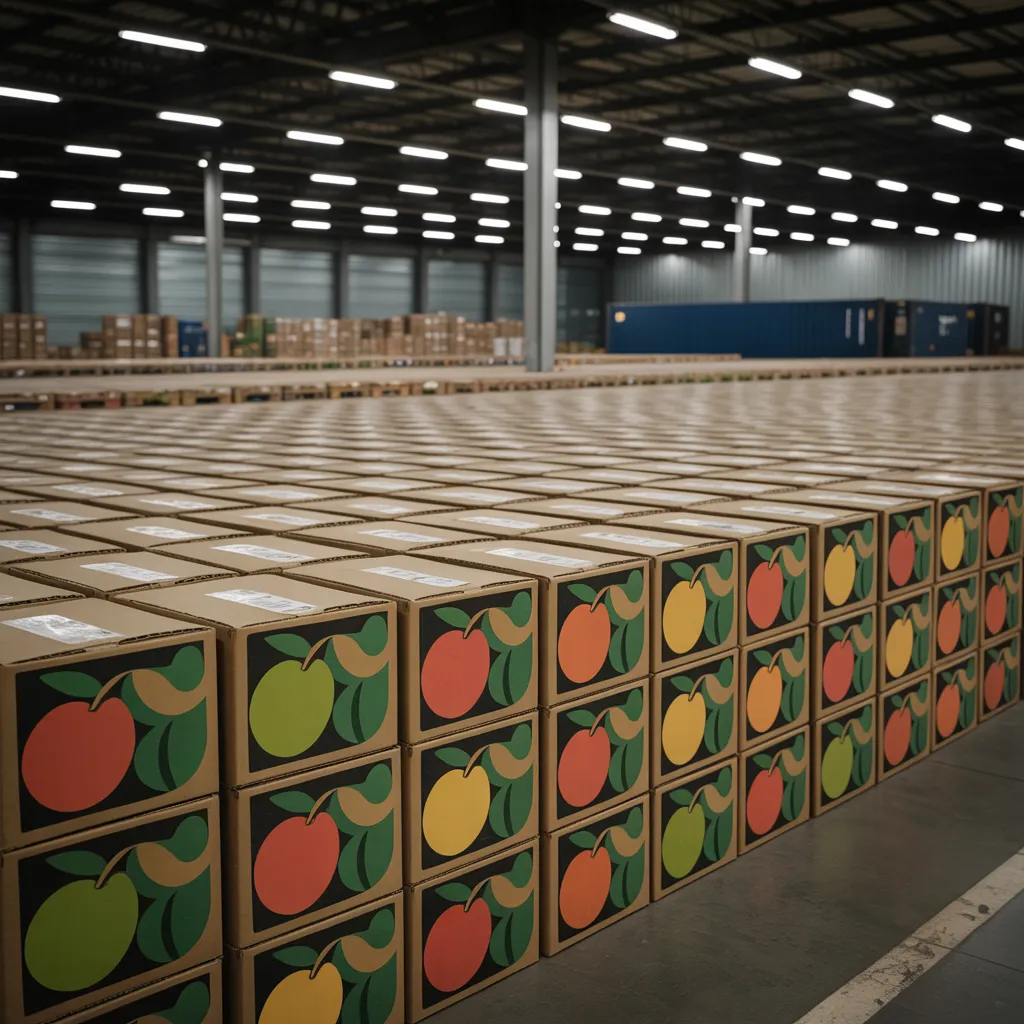
Handling and logistics factors serve as a considerable function in determining the suitable size and shape of custom agricultural boxes. The proportions should fit the items lacking excessive room, which would lead to movement and damage throughout transit. Smaller, compact boxes facilitate more straightforward handling, whereas larger boxes could become vital when handling oversized items. Moreover, proper ergonomics is essential; grip areas and access ports should be deliberately situated to allow for comfortable hoisting and carrying. The configuration of the packaging likewise affects nesting along with stability, confirming that items remain protected. Ultimately, thoughtful review pertaining to these factors enhances the efficiency in shipping, lessens product damage, plus supports the overall quality concerning the agricultural goods from farm to consumer.
Maximize Display Space Efficiency
Efficient shelf space usage depends on selecting the appropriate size and shape of tailored produce boxes. Product planners should consider the measurements of the storage racks as well as the varieties of produce being kept. Rectangular boxes often maximize space efficiency, allowing for easier arrangement and organization. Conversely, distinctive forms can improve aesthetic attractiveness but may result in wasted space if not thoughtfully designed.
It's important to examine the inventory turnover rate; briskly-selling products might profit from compact, easily reachable containers. Also, adopting adjustable or flexible frameworks can enable different sizes of items while maximizing storage layout. By emphasizing functionality and aesthetic considerations, firms can build a practical and attractive display that strengthens both accessibility and item visibility.
How to Design Graphics That Grab Interest?
Striking graphics can turn a straightforward custom produce box into a artistic creation that captures focus. To achieve this, designers should begin by picking a color scheme that demonstrates the crispness and liveliness of the produce. Bold, attention-grabbing colors can evoke feelings of freshness and health, pushing consumers to take a closer look.
Bold typography is also essential; clear and legible fonts can effectively communicate vital details while enhancing visual appeal. Furthermore, using excellent images of the produce can create an immediate connection, revealing the product's quality and engaging potential buyers.
In addition, integrating unique patterns or illustrations can assist in distinguishing the brand in a crowded market. Consistency in visual aspects, such as logos and taglines, supports brand identity. Ultimately, a blend of creativity and clarity in visual design can substantially improve the influence of custom produce boxes, making them stand out on shelves.
Eco-Friendly Practices for Custom Produce Box Packaging
A expanding number of enterprises are embracing green practices for custom produce box packaging, recognizing its value in today's environmentally conscious market. These initiatives often feature the use of biodegradable materials, such as recycled paper and plant-based plastics, which minimize environmental impact. Companies are also focusing on sustainable sourcing, making certain that materials are obtained from responsibly managed forests or suppliers who support environmental stewardship.
Furthermore, numerous brands are going with minimalist designs that minimize waste while still effectively highlighting their products. This approach not only resonates with eco-aware consumers but also assists in lowering production costs. Moreover, businesses are progressively applying efficient manufacturing processes that limit energy consumption and waste generation. By incorporating these eco-friendly practices, companies not only enhance their brand image but also contribute positively to the planet, aligning their operations with a sustainable future.
Evaluate Your Custom Produce Box Design
Evaluating the format of tailored packaging containers is a key component in ensuring they satisfy both visual and useful criteria. This process typically involves examining factors including toughness, size, and usability. First, prototypes must be constructed to test the box's structural integrity, confirming it can withstand movement and holding without weakening the goods.
Subsequently, functional tests can be initiated to establish how conveniently the boxes can be pried open, closed, and stacked. Remarks from end users can be vital in this stage, communicating insights into the box's practical value.
Moreover, the visual attractiveness of the design should be tested through focus group discussions or customer surveys, gauging consumer reactions to brand identity elements, colors, and complete visual presentation.
Ultimately, extensive testing enables designers to improve the box, guaranteeing it not only attracts customers but also properly safeguards and presents the produce within, maintaining the right balance between form and function.
Effectively Promoting Your Personalized Produce Boxes
Effective promotion of custom vegetable containers necessitates a well-planned strategy that underscores their unique features and benefits. Organizations must prioritize identifying their intended customers, including local farms, grocery stores, or individual consumers. Utilizing social media platforms can amplify market visibility, presenting the boxes' appearance and functionality through engaging visuals and storytelling.
In addition, aligning with regional personalities and growers can solidify authenticity and increase reach. Rolling out promotions or discounts during busy seasons can entice debut customers and motivate repeat business.
In addition, highlighting sustainability and eco-friendliness in brand communications can attract environmentally conscious consumers. Delivering comprehensive information about the materials used and the benefits of custom packaging can additionally differentiate the product in a competitive market.
In the end, a extensive promotional approach that merges internet-based and grassroots efforts will effectively market custom produce boxes, engaging a wide-ranging clientele and driving sales.
Regularly Asked Inquiries
What Fees Come With Custom Produce Box Planning?
Costs connected to custom produce box design include raw materials, print work, labor, and delivery. Additionally, design work and minimum order quantities can affect overall expenses, resulting in varying pricing based on particular needs and manufacturing volume.
What Duration Is Needed to Manufacture Tailored Boxes?
Producing custom boxes usually demands two to six weeks. Determinants that shape this timeline include intricacy of design, materials sourcing, and production capability, each of which might impact delivery schedules and processing times.
May I Place an Order for a Small Quantity of Bespoke Produce Boxes?
Yes, modest quantities of personalized fruit and vegetable boxes can typically be requested. Many suppliers provide minimum order quantities, allowing enterprises or consumers to get tailored packaging options without needing to pledge to large volumes at the start.
What Are Typical Mistakes to Avoid in Custom Box Layout?
Common mistakes in custom box design consist of neglecting functionality, disregarding brand consistency, underestimating material quality, failing to take into account target audience preferences, and overlooking environmental impact. Each aspect is essential for effective packaging and customer satisfaction.
How Do I Ensure My Boxes Are Food-Compliant?
To ensure boxes remain food-safe, you should choose materials certified for food contact, avoid harmful inks and adhesives, preserve cleanliness during production, and consistently monitor for compliance with health regulations and safety standards.